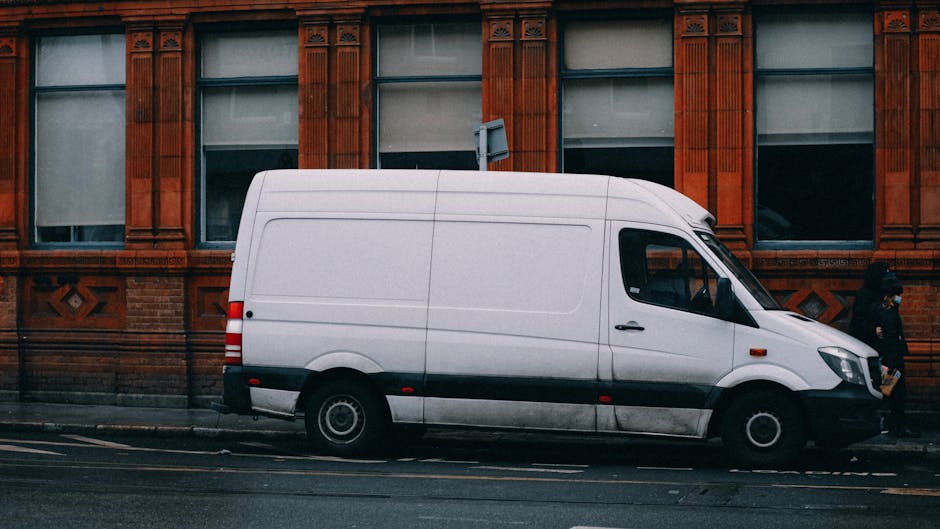
Moving near Upton Park Station: best van routes and parking
Posted on 14/05/2026

If you are moving near Upton Park Station, the difference between a smooth move and a stressful one often comes down to two things: the route your van takes and where it can stop without causing chaos. On paper, it sounds simple. In real life, you are dealing with narrow residential streets, busy London traffic, parked cars, school runs, delivery windows, and the occasional "I'll just leave the van here for a minute" moment that turns into a headache. This guide breaks down Moving near Upton Park Station: best van routes and parking in a practical, local, no-nonsense way so you can plan with confidence.
You will find route guidance, parking considerations, useful moving-day tactics, and a few hard-won lessons that people usually only learn after circling the block three times. To be fair, that is the kind of thing you want to avoid.
Why Moving near Upton Park Station: best van routes and parking Matters
Moving close to Upton Park Station is not just about getting a van to the postcode. It is about reaching the property in a way that protects your time, your furniture, and your nerves. In busy East London, the route matters because a few wrong turns can mean extra mileage, a late arrival, or a van sitting somewhere awkward while you carry boxes further than you planned.
Parking matters for the same reason. If the van cannot stop safely and legally near the door, every part of the move gets harder: loading takes longer, items are exposed to weather, and heavier furniture becomes more difficult to handle. That's especially true if you are moving a flat, a maisonette, or a house with limited front access.
There is also a local rhythm to this part of London. Around station areas, traffic tends to spike at predictable times, roads can feel tighter than they look on a map, and short-stay stopping space may be used quickly. A good moving plan works with that reality instead of pretending it doesn't exist. If you want a calmer move overall, it helps to read broader planning advice too, such as our guide on how to keep a house move relaxed and our practical pre-move decluttering tips.
How Moving near Upton Park Station: best van routes and parking Works
At a simple level, the process has three parts: choose the cleanest route, confirm where the van can legally stop, and match the moving schedule to the street conditions. Easy to say. A bit more involved to execute well.
For van routes, the aim is usually to favour roads that offer predictable access, fewer bottlenecks, and sensible turning space. In practice, that often means avoiding unnecessary detours through smaller residential side streets if a wider approach road is available. The best route is not always the shortest one on the sat-nav. Sometimes the smarter route is the one that lets the driver approach the property from the side with the easiest loading point and the least conflict with parked cars.
Parking works best when you think in terms of loading distance. That is the gap between the van and the front door, and it has a real effect on efficiency. If the van can stop close by, the crew can move items faster and with less strain. If not, the whole move slows down. This is why many customers pair local route planning with the right moving support, such as a dependable man with a van in Upton Park or a more tailored removal van service in Upton Park when access is tighter than expected.
Sometimes you will need a quick on-site adjustment. Maybe the nearest bay is full. Maybe a neighbour has parked across part of the frontage. Maybe the loading point is better approached from the next street over. That is normal. The key is to plan a few alternatives before moving day rather than improvising under pressure, which never feels clever at 8:15 in the morning.
Key Benefits and Practical Advantages
When you get routes and parking right, the benefits are very tangible. It is not just about convenience; it changes the shape of the entire move.
- Faster loading and unloading: Less walking between the van and the property means less time spent on each trip.
- Lower risk of damage: Furniture is handled fewer times, and there is less chance of knocks in tight spaces.
- Reduced strain: The team spends less energy on carrying and more on careful positioning.
- Better timing: A clear route and parking plan makes it easier to coordinate lift access, keys, handover times, and cleaners.
- Less disruption to neighbours: A tidy, efficient stop is generally better received than a van blocking a street while everyone waits.
There is also a quieter benefit: peace of mind. A move can feel like a hundred tiny decisions at once. If the vehicle access is sorted early, you get one important thing off your mental list. And honestly, that matters.
For moves involving bulky furniture, it can also help to read up on safer handling. Our article on heavy object lifting explains why awkward loads are best handled with proper technique and enough space. If you are moving a sofa, the wrong parking spot can turn a manageable job into a tight squeeze very quickly.
Who This Is For and When It Makes Sense
This guidance is useful for a wide range of movers, not just one type of household. If your move is anywhere near Upton Park Station, there is a good chance you will benefit from thinking through access before the van arrives.
- Flat movers: Especially if you are in a converted house or a building with limited frontage.
- Families moving house: More boxes, more furniture, more pressure to keep things moving on schedule.
- Students: Short notice, fewer items, but often awkward timing and a lot of lifts to coordinate. See also our student removals in Upton Park.
- Office or small business moves: You may need to protect working hours and avoid blocking colleagues, clients, or deliveries.
- Anyone with bulky items: Beds, wardrobes, pianos, white goods, or deep sofas all benefit from a smoother parking arrangement.
It also makes sense if you are moving on a tight timescale. Same-day or short-notice jobs usually leave less room for error, so being clear about access becomes even more important. If that sounds familiar, our same-day removals service in Upton Park may be worth exploring.
In a few cases, it is not just sensible but essential. For example, if you are moving a piano, you should not be relying on whatever parking is left when the van arrives. The margin for error is tiny. Same goes for long, heavy, or fragile furniture. A small access issue can cause a big delay.
Step-by-Step Guidance
Here is a practical way to plan your move near Upton Park Station without overcomplicating it.
- Check the property frontage and street width. Before moving day, look at where a van could reasonably stop. Note any dropped kerbs, narrow corners, resident bays, or yellow lines.
- Identify at least two possible approach routes. Sat-nav is useful, but it does not always understand loading realities. Choose a main route and a backup route in case one approach is slow or blocked.
- Think about timing. Try to avoid the most congested periods where possible. Early morning can work well, but only if access and building rules allow it. Midday can be fine too, depending on the street.
- Contact the building or landlord if needed. If there is a permit bay, shared driveway, concierge, or loading area, confirm the practical details in advance. A five-minute call can save a lot of faff.
- Prepare the items that will go first. Boxes, dismantled furniture, and clearly labelled essentials should be ready before the van arrives. For packing guidance, our step-by-step packing guide is a useful companion read.
- Reserve the closest safe stopping point. If you know a bay will be available, plan around it. If not, plan a legal fallback point that still keeps the carry distance manageable.
- Walk the route from van to door. This is one of the easiest things to overlook. Look for steps, tight turns, bin stores, shared gates, and anything that might slow the move.
- Have a quick loading plan. Decide what leaves first and what stays for last. Large items should not be blocking the hallway while the van waits.
One small but useful habit: take a few photos of the street and frontage the day before. Nothing fancy. Just enough to remind yourself what the access actually looked like when your brain is not being pulled in five directions at once.
Expert Tips for Better Results
These are the kinds of details that make a move feel smoother, especially in a busy station area.
- Use the van size properly. Bigger is not always better. A van that is too large can be harder to position on a narrow street, even if it holds more. The right size often saves time.
- Keep the loading zone clear. Ask household members to move bins, bikes, prams, and loose items before the crew arrives.
- Pack by exit order. Items needed first should be easiest to reach. Essentials last? No, the other way round. You do not want to be hunting for keys, phone chargers, or kettle bits under a mountain of boxes.
- Use furniture protection where needed. Door frames and stair corners near the property can be tight. A little protection goes a long way.
- Be realistic about parking distance. If the van cannot be right outside, do not panic. Sometimes a slightly longer carry is fine if it avoids a risky stop.
- Plan for weather. Rain changes everything. Even a short walk from van to door can become awkward when boxes are slick and the pavement is uneven.
If your move involves delicate or awkward items, specialised support is worth considering. A proper furniture removals service in Upton Park can help with dismantling, protection, and sensible loading order. And if you are moving a bed, mattress, or both, our guide to moving beds and mattresses safely is a good practical reference.
Truth be told, the best moving days are usually the ones where someone has thought through all the boring little details before anybody starts lifting.
![A United States Postal Service delivery truck, painted white with blue and red accents, parked partially on the sidewalk and street near a residential area during daytime. The truck is positioned beside a large tree with green foliage, and behind it, several cars are parked along the curved, asphalt road with yellow double lines. The sidewalk is adjacent to a lawn with bushes and a house with a white façade, dark roof, and visible windows. The scene is well-lit with natural daylight, and the area appears calm and quiet. This image may relate to house removals or moving services by showing parking and loading considerations for a delivery vehicle in a suburban environment, relevant to furniture transport and home relocation logistics involving [COMPANY_NAME] at [PAGE_URL].](/pub/blogphoto/moving-near-upton-park-station-best-van-routes-and-parking2.jpg)
Common Mistakes to Avoid
Most moving problems near station areas come from a small set of avoidable mistakes. Once you know them, they are easier to dodge.
- Assuming the sat-nav knows best: It may not account for roadworks, parking restrictions, or practical loading access.
- Leaving parking until arrival: That is how people end up doing circles while the clock runs.
- Forgetting about building access rules: Flats, estates, and managed buildings can have specific loading instructions.
- Underestimating carry distance: Twenty extra metres sounds minor until you repeat it 20 times.
- Ignoring bulky-item handling: Sofas, wardrobes, beds, and pianos are not "just one more item." They often change the whole access plan.
- Overpacking the van: A badly packed van is harder to unload and may force extra handling on the street.
One surprisingly common issue is the "we'll sort it when we get there" approach. That can work for some things. Parking near a busy station area usually is not one of them. By the time the van arrives, you want the plan to be boringly clear.
If you are still in the deciding stage, our removals in Upton Park page gives a helpful overview of service options, while the services overview explains how different types of move are typically handled.
Tools, Resources and Recommendations
You do not need a huge kit to plan well, but a few practical tools make a real difference.
| Tool or resource | Why it helps | Best use case |
|---|---|---|
| Street-view mapping | Lets you inspect width, corners, and frontage before arrival | Checking van access and possible stopping points |
| Parking sign checks | Helps you spot bay rules, time limits, or loading restrictions | Planning legal parking near the property |
| Phone photos of the street | Useful quick reference if plans change on moving day | Backup access planning |
| Labels and room markers | Speeds unloading and reduces confusion | Moves with several rooms or multiple floors |
| Furniture blankets and straps | Helps protect items and keep them stable in transit | Bulky or fragile furniture |
For packing materials, our packing and boxes page is a sensible place to start if you need the basics sorted quickly. If you are moving items into storage first, then the access conversation changes slightly, and a storage solution in Upton Park may help you split the move into calmer stages.
And if sustainability matters to you, it is worth thinking about what can be reused, recycled, or stored responsibly. Our recycling and sustainability approach covers that broader angle.
Law, Compliance, Standards, or Best Practice
Parking and van access near a station area is not just a matter of convenience. It has a compliance side too. You should always follow local parking signs, bay restrictions, and any site-specific rules set by the council, landlord, or building manager. If a bay is marked for permit holders only, loading only, or restricted at certain times, treat that seriously. A quick "just for a minute" stop can still cause problems.
Drivers should also stay mindful of safe loading practice. That means not obstructing pedestrians, not blocking dropped kerbs unnecessarily, and not creating a hazard on busy streets. If items are unusually heavy or awkward, the safe option is usually to use proper lifting techniques, move with enough people, and keep the route clear. Our article on modern lifting methods explores safer handling in more detail.
For commercial moves, there may be additional expectations around access, timings, or building rules, especially if you are moving equipment or stock. It is always better to check the building handbook or the managing agent's instructions than to assume standard street parking will be enough. Small detail, big consequences.
Where insurance is involved, ask what is covered during loading, unloading, and transit. That is basic good practice, not an optional extra. Our insurance and safety information explains the kind of reassurance many movers look for before booking.
Options, Methods, or Comparison Table
There is no single best approach for every move near Upton Park Station. The right option depends on property type, load size, timing, and how much direct access you have.
| Approach | Best for | Pros | Trade-offs |
|---|---|---|---|
| Park directly outside if legal | Short moves, light loads, easy frontage | Fastest loading, shortest carry | May not be available on busy streets |
| Use the nearest legal bay | Typical flat or house moves | Usually safe and practical | Can add a short carry distance |
| Pre-plan a loading zone with permissions | Managed buildings, larger moves, business premises | More predictable access | Needs advance coordination |
| Use a smaller, more agile van | Narrow roads or awkward turning areas | Easier positioning | May require more trips |
| Split the move with storage | Staged moves or delayed move-in dates | Less pressure on the day | Extra handling step |
For many local moves, the sweet spot is a sensible van size combined with a legal stopping point that keeps the carry manageable. Bigger and closer is not always better. Sometimes smaller and smarter wins.
Case Study or Real-World Example
Here is a realistic scenario. A couple moving from a second-floor flat near Upton Park Station had a sofa, a bed, four large boxes of kitchenware, and a fridge-freezer. Their first idea was to park wherever space appeared on the day. Luckily, they checked the street the evening before.
They found that the most obvious spot was frequently taken and would have made the carry awkward anyway. Instead, they planned a slightly different approach road with a legal stopping point a short distance away. It was not perfect, but it was orderly. They also broke the move into two parts: light boxes first, then the large furniture once the hallway was clear.
The result? Less congestion, fewer repeated trips, and no one standing around watching the van driver disappear for fifteen minutes trying to find a better place. That kind of delay sounds small until it is happening to you. Then it feels very large indeed.
They also used a few extra preparation steps, including wrapping the sofa properly and checking freezer storage advice in advance because the fridge-freezer was going into temporary storage. If you are dealing with a similar item, our guide on keeping a freezer in good condition when not in use is worth a look.
Practical Checklist
Use this before the van arrives.
- Confirm the full address, floor level, and access details.
- Check the best approach route and a backup route.
- Review parking signs, bays, and loading restrictions nearby.
- Identify where the van can legally stop with the shortest safe carry.
- Make sure the hallway, stairwell, and entrance are clear.
- Label boxes by room and keep essentials easy to reach.
- Protect furniture edges, mirrors, and fragile surfaces.
- Measure large items if you suspect tight corners or doorways.
- Tell neighbours or building management if access will be busy.
- Keep keys, documents, and phone chargers in one easy-to-find place.
If you have bulky items, do not leave them until the last minute. A mattress, wardrobe, or piano can change the whole loading plan. And if you want more detailed item-specific guidance, you may find our sofa storage advice and piano moving guide especially useful.
Conclusion
Moving near Upton Park Station is much easier when you treat route planning and parking as part of the move itself, not a last-minute detail. The best van route is the one that gets you there smoothly, avoids unnecessary stress, and leaves enough room for safe loading. The best parking choice is the one that is legal, practical, and close enough to keep the job moving.
That really is the heart of it. Plan the access, match the van to the streets, and give yourself a little breathing space. Once those pieces are in place, the move starts to feel manageable again. Not effortless, perhaps, but manageable - and that's a good place to be.
If you want help tailoring the move to your property, timing, or furniture list, it is worth looking at the services that fit your situation best, from flat and house moves to specialist handling and short-notice support. A bit of planning now can save a lot of legwork later, and sometimes a calm move is just a well-prepared one.
Get a free quote today and see how much you can save.