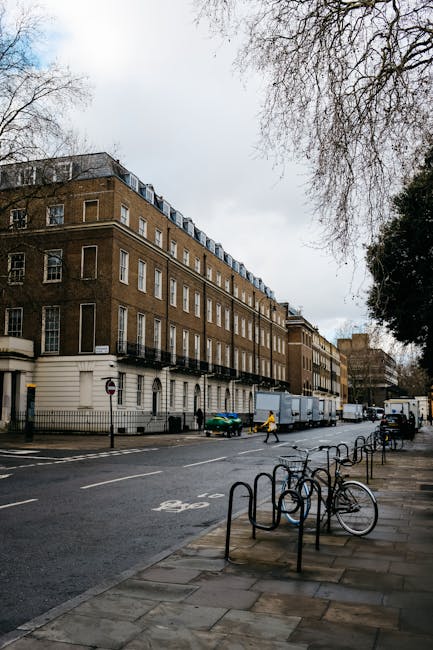
Green Street Upton Park moving guide for tight-access flats
Posted on 07/05/2026
Green Street Upton Park Moving Guide for Tight-Access Flats
Moving out of, or into, a tight-access flat in Green Street, Upton Park can feel like a puzzle with too many moving parts. Narrow stairwells, awkward corners, limited parking, shared entrances, and the simple reality of trying not to bump a sofa into a wall all make the job harder than a standard house move. That is exactly why this Green Street Upton Park moving guide for tight-access flats exists: to help you plan a smoother move, avoid costly mistakes, and decide when a small, well-organised removal team is the smarter option.
Whether you are handling a studio, a high-traffic family flat, or a top-floor apartment with no lift, the key is not brute force. It is preparation, timing, and choosing the right load plan for the building. In practice, that means measuring properly, reducing what you move, packing in the right order, and thinking ahead about access as much as the destination itself.
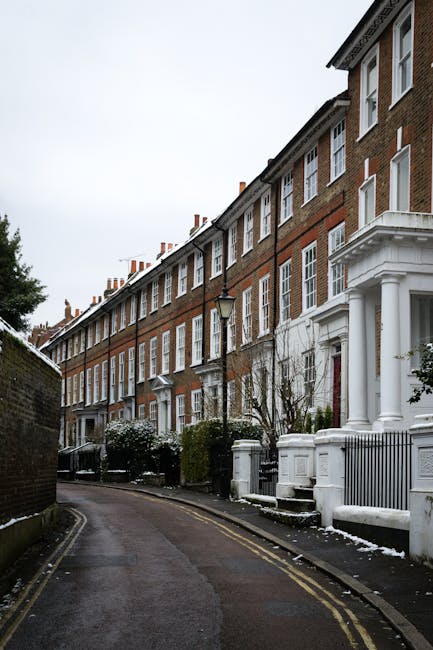
Why Green Street Upton Park moving guide for tight-access flats Matters
Tight-access flat moves are not difficult because the furniture is unusual. They are difficult because the building gets in the way. A standard double mattress, wardrobe, dining table, or sofa can become a problem when you have a narrow hallway, a turn on the stairs, or a front door that only opens fully if a delivery trolley is angled just right. Add a busy area like Green Street and Upton Park, and you also need to consider traffic, loading space, neighbours, and the timing of your arrival.
For many people, the real issue is not the move itself but the lack of room to make mistakes. If a box is packed too heavily, there may be nowhere safe to rest it. If a sofa will not clear the banister, you cannot simply "try again" five times without increasing the chance of damage. This is why a localised, practical guide matters: it turns vague stress into a sequence of decisions you can actually control.
There is also a financial angle. Poor planning can lead to avoidable delays, extra labour time, damaged items, parking penalties, or the need for a last-minute storage solution. If you want a smoother process, the smartest first step is usually to trim down what you are taking. A good place to start is this guide on smart decluttering before a move, because fewer items almost always means fewer access problems.
How Green Street Upton Park moving guide for tight-access flats Works
The move works best when you think of it in three layers: access, inventory, and sequence. Most people focus on the boxes. In tight-access flats, the route matters just as much.
Access means checking how items will physically leave the flat and reach the vehicle. Measure the front door, internal doors, stair widths, landing corners, lift dimensions if there is one, and the path from the building to the vehicle. It sounds obvious, but many awkward move-day delays happen because the bed frame fits the room yet fails at the stair bend.
Inventory means deciding what is moving, what is being sold, what is going into storage, and what needs special handling. If you have bulky pieces or items that need disassembly, plan those early. For example, a mattress move is straightforward when you have a bag, straps, and a clear hallway, but much harder when you are improvising. If that sounds familiar, the detailed bed and mattress moving guide is worth reading before move day.
Sequence is the order in which items leave the property. In a tight flat, sequence saves time. Light boxes should usually go first to free space. Large furniture should be moved when the route is clear. Delicate items should be handled after the main traffic has slowed, not before everyone has tramped muddy shoes through the hallway.
In practical terms, a small removal van and a team who understand flat removals are often the best fit. For example, a service like flat removals in Upton Park is designed for exactly the sort of building access issues that trip up larger, less flexible moves.
Key Benefits and Practical Advantages
A well-planned tight-access move delivers more than convenience. It protects your belongings, reduces stress, and makes the entire day more predictable. That matters because moves are rarely made easier by hoping for the best. They are made easier by removing uncertainty.
- Less risk of damage: Items are measured, wrapped, and moved in a way that suits the building.
- Faster load-out: A clear plan prevents constant stops, backtracking, and awkward reshuffling.
- Better use of labour: The team spends time moving items, not figuring out where they will fit.
- Lower physical strain: Tight staircases and narrow corridors punish poor lifting technique.
- Fewer access surprises: You can anticipate pinch points before move day rather than discovering them with a sofa halfway through a doorway.
- More control over timing: Helpful when you need to work around neighbours, parking windows, or building rules.
There is a hidden advantage too: good planning usually makes packing simpler. Once you know the route out, you can decide which items should be broken down, which should be boxed separately, and what might be better stored rather than moved immediately. If you need more structure, a practical packing guide for your next house move can help you avoid the classic overfilled-box problem.
For many flats, the biggest benefit is peace of mind. Let's face it, moving out of a fourth-floor property with one awkward stair turn is not the moment you want surprises.
Who This Is For and When It Makes Sense
This guide is for anyone moving from a flat where access is tighter than average. That could mean a converted Victorian property, a modern apartment block with small communal corridors, or a council or private block where parking and loading space are limited. It also fits students, short-term renters, sharers, and households with larger furniture in a compact building.
It makes particular sense if any of the following sound familiar:
- your sofa has to turn sharply in the stairwell
- there is no lift, or the lift is too small for furniture
- parking outside is scarce or restricted
- you have heavy items like a fridge, mattress, piano, wardrobe, or corner sofa
- you are moving with limited time and need an efficient, controlled process
- you would rather avoid damaging paintwork, banisters, or shared hallways
It also applies if you are moving items into storage first. Sometimes the simplest answer is to move only the essentials and send the rest into short-term storage. If that is your situation, the local storage options in Upton Park may be a better fit than forcing everything into the new flat on day one.
If you are a student or a flat-sharer, a flexible service can be especially helpful. A move that starts with two suitcases and ends with a dismantled bed frame is much easier to manage when the logistics are sized to the property, not the other way around.
Step-by-Step Guidance
Use this sequence to reduce friction before the removal van even arrives.
- Measure the access route. Check doors, hallways, stair corners, ceiling height on landings, and the distance from the building to the parking spot. Write the numbers down. Guessing is a bad hobby here.
- List your bulky items. Note anything that may need dismantling, wrapping, or two-person lifting. Beds, tables, wardrobes, freezers, and sofas should all be checked early.
- Declutter before packing. Decide what to keep, donate, recycle, store, or bin. A lighter inventory reduces the number of trips and the chance of a bottleneck. If you want a more detailed approach, read this decluttering guide.
- Book the right vehicle and crew size. A smaller van can be easier in tighter streets, but it should still suit your load. The wrong-sized vehicle often creates more problems than it solves.
- Prepare protective materials. Use mattress covers, sofa wraps, blankets, tape, and floor protection where needed. Shared hallways usually benefit from extra care.
- Dismantle what you safely can. Bed frames, shelving, and some tables move better in sections. Keep screws and fittings labelled in sealed bags.
- Pack in load order. Place priority items in a clear sequence so the van can be loaded logically. Essentials should be last on, first off.
- Clear the route on move day. Move bins, plant pots, bikes, and loose clutter before the team arrives.
- Protect shared spaces. If the building has communal areas, be considerate. That means not blocking entrances and keeping moving paths clear.
- Do a final sweep. Check cupboards, utility spaces, window ledges, and behind doors. A surprising number of things are left behind in the final ten minutes.
For awkward furniture, especially items that are heavy but not enormous, it helps to understand body mechanics as much as the route. The article on kinetic lifting techniques explains why good posture and controlled movement matter more than heroic effort.
When the move includes a mattress, bed base, or frame that will not pass neatly through the landing, stop and reassess rather than forcing it. That single pause can save damage, stress, and an awkward apology to the neighbour below.
Expert Tips for Better Results
Here is where small details make a noticeable difference. In tighter properties, the best results come from eliminating friction points before they become delays.
- Use smaller boxes for books and dense items. One overfilled box can be harder to carry than three sensible ones.
- Wrap corners and edges first. In stairwells, corners are what get hit.
- Separate "carry now" from "carry later". Keep essentials and fragile items apart from the main loading pile.
- Photograph cable setups and furniture joints. This makes reassembly much easier.
- Book your loading slot with building access in mind. In a busy street, timing can matter more than distance.
- Remove doors temporarily if needed. Only where safe and appropriate, because sometimes that extra inch is the difference between a smooth exit and a stuck wardrobe.
If your move includes a large sofa, do not underestimate the value of wrapping and route planning. The practical advice in sofa storage and protection is equally useful for short moves where upholstery needs to stay clean and unmarked.
And if you are tempted to carry a heavy item alone because "it will only take a second," pause. A second is often all it takes to tweak a back or chip a wall. The guide on lifting heavy items alone is useful for understanding limits, but in tight-access buildings the safer answer is often to avoid solo lifting entirely.
Expert summary: In tight-access flat moves, the winning formula is measured access, reduced load, protected furniture, and the right carrying sequence. If one of those four is weak, the whole move slows down.

Common Mistakes to Avoid
Most tight-access problems are predictable. The trouble is that they are often only obvious after someone has started carrying a bulky item down a narrow staircase. These are the mistakes we see most often:
- Measuring only the room, not the route. A wardrobe can fit a bedroom and still fail at the hallway bend.
- Leaving decluttering too late. Packing items you never wanted in the first place wastes time and energy.
- Using the wrong packaging. Weak boxes or loose wrapping are a poor match for tight corridors and quick turns.
- Ignoring parking and loading distance. A "short carry" on paper can become a long, tiring route in reality.
- Forcing oversized items through. This is how scratches, torn coverings, and damaged frames happen.
- Failing to label dismantled parts. Reassembly becomes frustrating very quickly.
- Not warning the mover about access issues. The team can only plan well if they know what they are walking into.
One common oversight is the freezer or fridge. People assume it is just another boxy item, but appliance handling needs preparation. If your unit will be idle or stored, the best-practice advice in freezer maintenance when idle is worth reviewing so you do not create avoidable odour or moisture issues.
Another mistake is packing everything into identical box sizes regardless of weight. Uniformity looks tidy, but it can be misleading. A box of towels is not the same as a box of hardback books, even if they look equally respectable from the outside.
Tools, Resources and Recommendations
You do not need a garage full of specialist kit, but a few basics make a major difference in tighter buildings. Think of this as a small toolkit for reducing friction.
| Tool or Resource | Why It Helps | Best Use Case |
|---|---|---|
| Sturdy small boxes | Reduce weight and improve control on stairs | Books, kitchen items, paperwork |
| Furniture blankets | Protect corners and finishes during tight turns | Sofas, tables, wardrobes |
| Mattress covers | Keep bedding clean in shared hallways and vans | Beds and mattresses |
| Tape and labelled bags | Keep screws, brackets, and fixings together | Dismantled furniture |
| Floor protection | Reduces scuffs in communal areas | Block flats and narrow entrances |
| Short-term storage | Lets you move in stages rather than all at once | Downsizing, staging, delayed completion |
For practical packing support, a dedicated packing and boxes service in Upton Park can save time if you are short on supplies or want a better packing method than the last-minute supermarket box shuffle.
If your move needs a bit more flexibility, it can also help to explore a full removal services overview so you can match the service to the property rather than trying to make the property fit the move.
Law, Compliance, Standards, or Best Practice
For most flat moves, the main compliance issues are practical rather than complex legal ones. You usually need to think about building access rules, parking permissions, safe lifting, insurance, and courtesy to neighbours. If you live in a managed block, check whether the building requires advance notice for move-ins or move-outs, or whether lifts must be reserved. The exact rules vary by property, so it is always best to confirm directly with the landlord, managing agent, or building management.
From a safety perspective, the sensible standard is simple: do not exceed safe lifting capacity, do not block escape routes, and do not attempt risky manoeuvres in confined spaces. UK moving practice also puts a strong emphasis on care with shared areas, especially where walls, floors, or stair rails can be damaged during a move.
When choosing help, look for clear communication about insurance, handling procedures, and what happens if an item is difficult to move safely. A reputable provider should be open about process and expectations. Pages such as insurance and safety information and health and safety policy are useful references when you are deciding how much reassurance you want before move day.
If you are comparing providers, it also helps to review who they are, how quotes are handled, and whether the service is transparent about payment and terms. In a tight-access move, clarity is worth more than polished sales language.
Options, Methods, or Comparison Table
There is no one perfect way to move a tight-access flat. The right method depends on the size of your load, your timeline, and how much carrying the building allows.
| Method | Best For | Pros | Trade-Offs |
|---|---|---|---|
| DIY with a rented van | Small, simple moves with flexible timing | Lower direct cost, full control | Higher physical effort, more planning, greater risk in tight access |
| Man and van | Studio flats, student moves, lighter household loads | Flexible, practical, usually quicker to book | May not suit very bulky or complex furniture without discussion |
| Full flat removal service | Larger flats, multiple bulky items, awkward stair access | More support, better handling of difficult items | Usually more expensive than a minimal service |
| Move with storage first | Downsizing, delayed move-in, temporary overflow | Less pressure on move day, easier staging | Requires extra organisation and possibly an additional trip |
If your furniture is the main challenge, a specialist furniture removals service is often the better fit than a generic move. That is especially true when items are bulky, oddly shaped, or awkward to carry through narrow communal spaces.
For people with same-day deadlines, a localised option such as same-day removals in Upton Park can be useful, but only if the access constraints are made clear up front. Speed is helpful; speed without planning is not.
Case Study or Real-World Example
Consider a typical one-bedroom flat near Green Street with a narrow internal stairwell, no lift, and limited roadside stopping space. The move includes a bed frame, mattress, two bookcases, a two-seater sofa, several medium boxes, and a small appliance. At first glance, the job seems manageable. Then the hallway turns sharply at the top of the stairs, and the sofa becomes the item that dictates the whole day.
In a move like this, the best outcome usually comes from breaking the process into phases:
- light boxes are brought out first to open space
- the bed frame is dismantled before the main lift
- the mattress is wrapped and carried separately
- bookcases are emptied before removal so they can be handled safely
- the sofa is measured again against the stair turn before movement starts
That final check matters. Many people measure the sofa, then forget to measure the angle of the turn at the landing. The result is predictable: someone realises the item will not swing without scuffing the wall, and the team has to improvise. Better to spot that on paper than in the stairwell.
For heavier or more awkward pieces, using techniques that reduce strain is not just sensible; it is what keeps the day moving. If you want a clearer understanding of the mechanics, the guide to kinetic lifting gives useful context without overcomplicating the issue.
The lesson is simple: in a tight-access flat, the move becomes much easier when you treat the route as part of the item. The sofa is not just a sofa. It is a shape that must travel through a building.
Practical Checklist
Use this checklist in the final days before the move.
- Measure doors, hallways, stairs, and any lift or landing turns
- Confirm parking, loading, and access arrangements
- Declutter rooms and set aside donation or recycling items
- Disassemble furniture that will not safely pass through the route
- Label all boxes clearly by room and priority
- Pack heavy items into smaller boxes
- Wrap sofas, mattresses, mirrors, and table edges
- Set aside screws, tools, and fixings in clearly marked bags
- Protect floors and shared areas where needed
- Prepare keys, paperwork, chargers, and essentials separately
- Tell the mover about narrow access, restricted parking, or heavy items
- Keep a quick-clean kit ready for the old flat
If you need help making the handover cleaner and simpler, the practical advice in these pre-move cleaning tips can save a surprising amount of time at the end of the day.
Quick takeaway: measure first, reduce what you move, protect the route, and choose a service level that matches the flat rather than the fantasy version of it.
Conclusion
A move from a tight-access flat in Green Street, Upton Park does not have to be chaotic. With the right plan, it becomes a controlled sequence of small, manageable decisions: what to take, how to pack it, how to carry it, and how to get it out safely without damaging the building or exhausting everyone involved.
The big lesson here is that flat moves are won before move day. Measure properly, declutter early, use the right packing materials, and choose a removal setup that suits the access you actually have. If your staircase is narrow, your hallway is awkward, or your parking is limited, the smartest move is usually the one that respects those constraints instead of fighting them.
For a move that feels calmer and more organised, combine the tips in this guide with a local service that understands flat access, furniture handling, and the practical realities of moving in a busy part of East London. That is how you save time, avoid damage, and keep the day from becoming a scramble.
Get a free quote today and see how much you can save.