E13 removals: what to expect on Green Street & surrounding roads
Posted on 22/05/2026
If you're planning a move in E13, the first thing to know is this: Green Street and the roads around it can be busy, lively, and a little awkward for vehicles at the wrong time of day. That doesn't make moving impossible. It just means good planning matters more than usual. In this guide to E13 removals: what to expect on Green Street & surrounding roads, we'll walk through what the area is really like, how a local move typically works, what can slow things down, and how to make the day smoother from the first box to the final handover.
Whether you're moving from a flat above a shop, a family home off a side road, or student accommodation nearby, the goal is the same: a move that feels controlled rather than chaotic. Truth be told, that's what most people want - less stress, fewer surprises, and no panicked dash for the kettle at 7:30 in the morning.
To help you plan properly, this article covers access, parking, timing, packing, lifting, storage, and the practical choices that matter most on Green Street and the surrounding E13 roads.

Why E13 removals: what to expect on Green Street & surrounding roads Matters
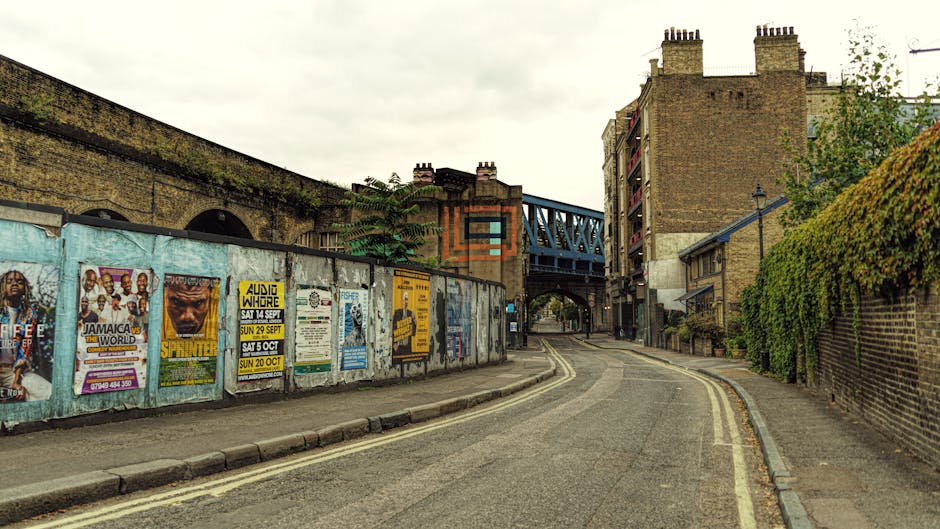
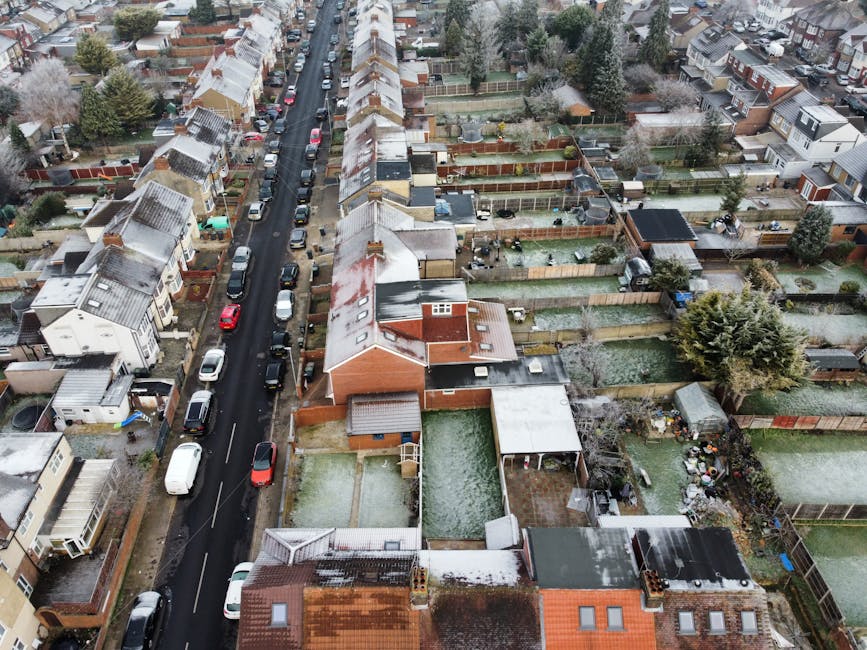
Green Street is one of those London roads that has a bit of everything: shops, traffic, deliveries, buses, pedestrians, parked cars, and a constant sense that someone else is trying to get somewhere in a hurry. Nearby roads in E13 can be quieter, but they often come with their own quirks - narrow access, limited parking, shared driveways, controlled bays, or awkward turning space.
That matters because removal day is rarely just about loading a van. It's about how easily that van can stop, how long it can stay, whether your furniture can get out without damage, and whether your move runs to time or starts slipping because of access problems. A small flat move can become a slow one if a driver has to circle twice looking for space. A house move can feel exhausting if heavy items need carrying an extra long distance from the door to the vehicle.
For most people in E13, the real challenge is not the packing itself. It's the logistics. The road conditions shape everything else. If you understand those conditions early, you can make smarter decisions about van size, timing, parking, dismantling furniture, and whether you need extra help.
That's why local knowledge counts. A team used to local removals in Upton Park will usually plan differently from a generic long-distance mover who doesn't know the area well. In busy London neighbourhoods, small details really do add up.
How E13 removals: what to expect on Green Street & surrounding roads Works
A typical move in E13 starts with an access check. Where can the van stop? Is there space for a larger vehicle, or is a compact man and van service a better fit for the street layout? Can the crew park close enough to keep carrying distances sensible? These aren't minor questions. They affect the whole rhythm of the day.
Next comes the packing and protection stage. In tighter urban streets, items need to be loaded in a way that reduces rehandling. That usually means sturdy boxes, good labelling, furniture protection, and a plan for awkward items like mirrors, beds, and bulky sofas. If you want a calmer process, it helps to read a practical step-by-step guide to packing for your next house move before you begin.
On the day itself, the crew will usually try to do three things well: protect the property, keep the route clear, and load in a sensible order. The front room boxes should not be buried under hallway clutter. The mattress shouldn't be the last thing out if it's blocking the stairwell. Sounds obvious, but moving days can get messy fast. A clear path makes a huge difference.
If you have larger furniture, white goods, or fragile items, the process becomes even more specific. A sofa may need wrapping and careful turning at doorways. A bed frame may need to be dismantled. A fridge or freezer may need to be prepared well in advance. For those jobs, it's worth looking at related guidance such as moving your bed and mattress safely and these simple steps to keep a freezer in good condition when it's not in use.
Local road conditions often mean removal teams also need to think about timing. Morning traffic on busy stretches can slow things down, while later in the day parking may be slightly easier but you may hit school runs, shopping traffic, or delivery activity. There's no perfect slot everywhere, but an experienced mover will usually suggest a time window that reduces friction rather than adding it.
Key Benefits and Practical Advantages
The biggest benefit of planning an E13 move properly is simple: it reduces stress. But there are several smaller advantages that people sometimes miss until moving day is already under way.
- Less carrying distance: good parking saves time and reduces the risk of damage.
- Better protection for furniture: fewer rushed moves means fewer knocks, scrapes, and slips.
- More accurate timings: when access is planned well, your move is less likely to overrun.
- Lower physical strain: especially useful if you have stairs, tight entrances, or heavy items.
- Fewer last-minute surprises: you can deal with parking, permits, and access issues before the van arrives.
There's also a mental benefit that's hard to overstate. A move feels much lighter when the plan is clear. Even a small one. One minute you're standing in a hallway surrounded by boxes; the next, it all starts making sense because each item has a place and each task has a sequence. It's oddly reassuring.
For some households, the right service can also make the move feel more flexible. If you need help with just one sofa, a few boxes, or a short-notice transfer, a removal van in Upton Park or a compact team may be enough. Larger properties may need a fuller house removals service with more hands on deck.
Who This Is For and When It Makes Sense
This kind of local removals planning is useful for anyone moving within E13 or into or out of Green Street and the surrounding roads. But certain movers benefit more than others.
- Flat dwellers: if you live above ground level or in a building with narrow stairs, access matters a lot. A flat removals service can be a smart choice.
- Families: larger moves need better sequencing, especially when children's furniture, prams, and fragile items are involved.
- Students and sharers: quicker turnarounds and smaller loads often suit student removals in Upton Park.
- Office movers: if you're relocating workspaces nearby, timing and access become even more important. See office removals in Upton Park.
- Anyone with heavy or delicate items: pianos, large wardrobes, gym equipment, or antique pieces need specialist handling.
If your move is tight on time, a same-day removals service may also be worth considering, though it works best when the route and access are straightforward. On busier roads, even a short job can become fiddly if it's left until the last minute.
And if you're trying to decide whether to do it yourself, hire a van, or book a full removals team, the answer depends on time, volume, and how much physical lifting is involved. There isn't one right answer for every home. A one-bedroom flat off a side street and a family home near the high street are very different beasts.
Step-by-Step Guidance
Here's a practical way to approach an E13 move without letting it take over your week.
- Check access early. Look at the road, the parking situation, turning space, and whether there are any restrictions that could affect loading.
- Reduce what you're moving. Declutter before the boxes pile up. It's much easier to move less than to pay for carrying things you no longer need. If you want a structured approach, use this guide to decluttering before a big move.
- Gather packing materials. Boxes, tape, bubble wrap, labels, mattress covers, and furniture protection all help keep the day tidy.
- Pack room by room. Label each box clearly so unloading is quicker and less chaotic.
- Prepare bulky items. Dismantle beds if needed, drain appliances safely, and protect sofas and tables.
- Reserve your move date realistically. Don't assume traffic will be kind. London rarely plays along that neatly.
- Confirm contact details and access instructions. A driver who knows where to stop and which entrance to use saves time straight away.
- Keep essentials aside. Kettle, chargers, documents, medication, snacks, keys. The small bag matters more than people expect.
A quick note on heavy lifting: if a wardrobe or washing machine looks awkward, trust your instinct. It probably is. Read this guide to solo heavy object lifting if you're trying to judge what you can safely manage on your own. And for smarter technique, the article on kinetic lifting is worth a look too.
One small but useful habit: take photos of cable setups, shelving, or furniture fittings before dismantling anything. It sounds a bit obsessive, maybe, but it saves time later when you're rebuilding furniture in the new place and can't remember where that one mysterious screw came from.
Expert Tips for Better Results
If you want the move to go smoothly in Green Street and the surrounding E13 roads, a few local-minded habits help a lot.
- Choose a sensible loading sequence. Heavier and more robust items should usually go in first, with fragile items protected and clearly separated.
- Think about stair flow. If the property has narrow stairs, make sure the corridor isn't blocked by loose boxes or shoes. That sounds tiny, but it matters.
- Use the street before the van arrives. If possible, bring boxes close to the exit beforehand so the team isn't running back and forth unnecessarily.
- Protect corners and doorframes. In older buildings especially, small knocks can cause more damage than you'd think.
- Keep one person as a point of contact. Too many instructions from too many people can slow everything down. One calm voice helps. Usually the calmest person, not the loudest. Better that way.
- Plan for awkward items separately. Pianos, large mirrors, and oversized wardrobes should be discussed before moving day. For delicate instruments, it is worth reading about professional piano movers.
If you are storing some belongings between moves, get that sorted before the day arrives. Storage choices affect packing style, wrapping, and what goes in the van. The right storage solution in Upton Park can make the whole move less cramped.
And if you're trying to keep a home calm while everything is in motion, there's a lot to be said for simple routines. A clear hallway, a labelled box for essentials, a quick mug of tea at the right moment - these little things help more than a grand plan written in ten colours.
Common Mistakes to Avoid
Most moving headaches in E13 are preventable. The trouble is that they usually look small until the day itself.
- Leaving parking too late: if the van can't stop near the property, everything takes longer.
- Overfilling boxes: one box that is too heavy can slow the whole chain of movement and increase breakage risk.
- Not measuring furniture: doors, stairwells, and hallway turns can be tighter than expected.
- Forgetting building rules: some blocks have lift booking, access times, or moving procedures you need to follow.
- Packing essentials with everything else: nobody enjoys searching ten boxes deep for a phone charger after a long day.
- Ignoring weather: a wet London afternoon changes grip, walking speed, and how you should protect boxes and floors.
There's also the classic mistake of assuming "we'll just manage." To be fair, that confidence disappears pretty fast when you're carrying a mattress down a narrow stairwell and someone mutters, "turn it sideways," for the third time.
Another one: not checking whether the items you want to move actually need special handling or even storage. Sofas, for example, can suffer if wrapped badly for a long period. If that sounds relevant, take a look at sofa care strategies for long-term storage.
Tools, Resources and Recommendations
You do not need fancy kit to move well, but a few practical items make a big difference.
| Item | Why it helps | Best used for |
|---|---|---|
| Strong boxes | Protects contents and makes stacking safer | Books, kitchenware, clothes, mixed household items |
| Packing tape and labels | Keeps boxes closed and easier to direct on arrival | Every room, especially fragile or priority items |
| Furniture blankets | Reduces scuffs during loading and transit | Sofas, tables, wardrobes, appliances |
| Mattress covers | Helps keep mattresses clean and dry | Beds and bedding moves |
| Trolley or dolly | Reduces strain on heavy items | Appliances, boxes, heavy furniture |
For packing supplies, a dedicated packing and boxes service in Upton Park can save time if you do not want to source everything yourself. That is especially handy if you're moving quickly or juggling work and family at the same time.
It's also worth leaning on broader moving support when you need it. A clear services overview is useful if you're comparing options, while pricing and quotes helps when you want the numbers upfront rather than vague estimates.
If you want to prepare the property itself, not just the contents, this cleaning guide to moving-out cleaning tips is a practical extra. And if you're moving into a new place rather than out, that fresh-start feeling is easier to enjoy when the old home is left in decent shape. Nice to hand over a clean place, isn't it?
Law, Compliance, Standards, or Best Practice
For most domestic removals in E13, the main compliance issues are practical rather than complicated. The biggest ones are parking, access, safe lifting, and making sure the service provider works in line with normal UK standards for care and handling.
In London, parking restrictions, loading bays, permit requirements, and time limits can affect a move even when the job itself is small. Because these rules vary by street and borough, it is sensible to check local arrangements before moving day rather than assuming there will be space. A removal team should be able to advise on what they can reasonably do, but the final responsibility for permissions often sits with the person arranging the move.
On the safety side, good practice usually includes:
- using appropriate lifting techniques and enough people for heavy items;
- protecting floors, walls, and entry points where possible;
- securing loads properly inside the van;
- keeping walkways clear to reduce trip hazards;
- handling fragile or specialist items with extra care.
If you want to understand a company's approach to safe work and responsibility, it can help to review pages such as health and safety policy, insurance and safety, and recycling and sustainability. Those pages give you a better sense of how the business operates beyond the headline service.
For example, if a mover is happy to explain how they protect goods in transit, how they deal with claims, or how they handle recyclables and unwanted items, that is usually a good sign. Clear information matters. So does patience, oddly enough.
Options, Methods, or Comparison Table
If you are unsure which kind of move suits Green Street or the surrounding roads best, this comparison can help you narrow it down.
| Option | Best for | Pros | Things to watch |
|---|---|---|---|
| Man and van | Small to medium loads, quick local moves | Flexible, cost-conscious, good for tight access | May need multiple trips for larger homes |
| Full house removals | Family homes, multi-room moves, more furniture | More labour, faster loading, less heavy lifting for you | Needs clearer planning and parking access |
| Flat removals | Upper-floor apartments, stair access, smaller properties | Tailored for stair work and compact spaces | May need careful timing and item disassembly |
| Storage plus removals | Moves with gaps between dates or decluttering needs | Gives breathing room and reduces pressure on move day | Needs good labelling and storage-ready packing |
If your move is very local and you just need efficient transport, a man with a van in Upton Park can be a sensible fit. If the property is larger or access is more involved, a fuller removal package may be the better call. In plain English: match the service to the job, not the other way round.
Case Study or Real-World Example
Here's a realistic example based on the sort of move people commonly make in this part of East London.
A couple moving from a two-bedroom flat near Green Street had a narrow stairwell, a busy road outside, and a long list of things that "shouldn't take too long." Familiar story. They started by clearing out items they no longer needed, then packed room by room over several evenings after work. One sofa was wrapped carefully, the bed frame was dismantled, and a couple of fragile pieces were marked clearly so they could be loaded last and unloaded first.
The biggest improvement came from the parking plan. Instead of waiting until the morning to see what was free, they checked the street layout in advance and arranged the move time to reduce disruption. That meant the van could stop closer to the entrance, the carrying distance was shorter, and the whole day felt less frantic. Not perfect, because moving days never are, but much easier than it might have been.
They also kept a small essentials box separate: tea bags, mugs, phone chargers, toilet paper, snacks, and documents. Honestly, that one box can save your sanity. By late afternoon they could actually sit down, breathe, and open the first proper cup of tea in the new place without hunting through three random cartons.
That kind of move is not unusual. It's just well handled. And that is the real point.
Practical Checklist
Use this checklist a few days before moving day, then again the night before. It keeps the moving fog at bay.
- Confirm your moving date and arrival window.
- Check parking, loading, and any access restrictions on your road.
- Finish decluttering and separate donations, recycling, and rubbish.
- Pack fragile items securely and label them clearly.
- Dismantle beds or large furniture if needed.
- Defrost, disconnect, and prepare appliances in advance where required.
- Set aside one box for essentials and one bag for personal items.
- Protect floors, walls, and doorframes if the route is tight.
- Keep keys, documents, and chargers within easy reach.
- Double-check the new address and contact number for the day.
If you still have surplus items after packing, keep a calm head. Storage can be the difference between a cluttered move and a manageable one. And if you want to avoid carrying half the contents of the hallway more than once, that is usually a good thing.
Get a free quote today and see how much you can save.
Conclusion
Moving in E13, especially around Green Street and the surrounding roads, is really about preparation meeting reality. The roads are busy, parking can be awkward, and access is not always straightforward. But none of that has to ruin the day. Once you plan for the local conditions, the move becomes far more manageable.
Start early, pack carefully, keep heavy lifting under control, and choose the right service level for the size and shape of your move. If you do that, you give yourself a much better chance of a calm handover and a proper first evening in the new place.
And that first quiet moment after the van leaves? That matters. The room may still smell faintly of cardboard and tape, the kettle might not be in the right cupboard yet, but the hard part is done. That's a good feeling, really.