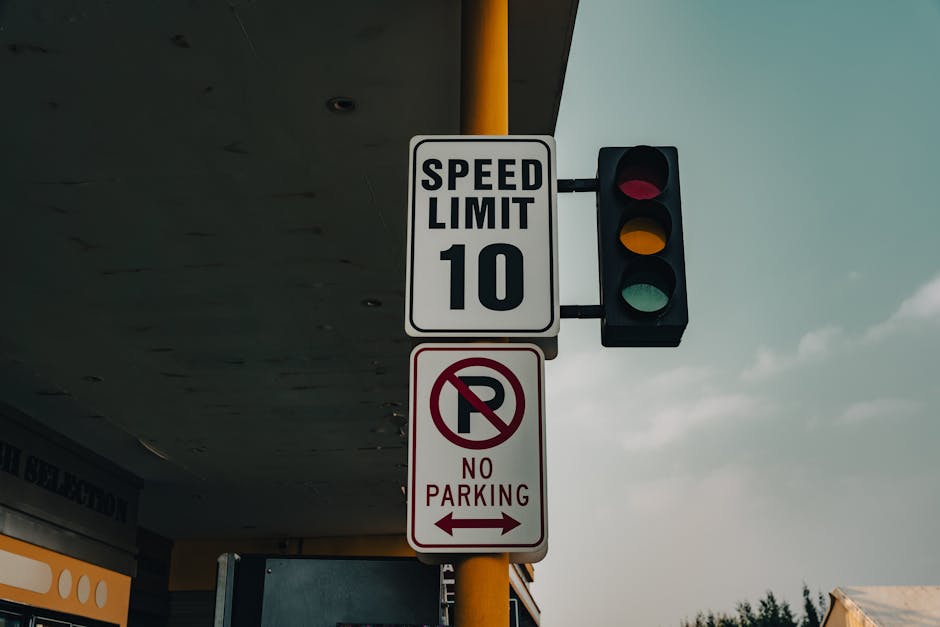
Avoid fines: Newham Council parking and skip rules
Posted on 06/07/2026

If you are arranging a move, a house clearance, or even a short-term skip hire in Newham, the small print can bite. One missed parking restriction, one poorly placed skip, and suddenly you are dealing with avoidable costs, delays, or a frustrating ticket. The good news? You can stay ahead of the hassle. This guide to Avoid fines: Newham Council parking and skip rules breaks everything down in plain English, with practical steps that make sense in real life, not just on paper.
Whether you are parking a van outside a flat on a busy road, planning a skip for renovation waste, or juggling both on the same day, the aim is the same: protect your timeline and avoid penalties. Let's make the rules less mysterious and a lot more manageable.
Why Avoid fines: Newham Council parking and skip rules Matters
Newham is one of those places where parking space can disappear fast. Busy streets, controlled parking zones, tight access around flats, school runs, market traffic, and deliveries all stack up. Add a moving van or a skip into the mix and, well, you can see how quickly things get messy.
The issue is not just about convenience. Parking and skip-related breaches can lead to penalty charges, refused collections, blocked access, or complaints from neighbours. For moving day, that means more than a fine; it can mean a stalled removal, extra labour, or a skip sitting where it should not be.
To be fair, most people are not trying to bend the rules. They are simply trying to get a sofa out of a second-floor flat or clear out old furniture before a deadline. But councils expect you to plan ahead, and on narrower streets that matters a lot. If you are already mapping out your move, reading van routes and parking near Upton Park Station can save you a fair bit of head-scratching.
Expert summary: if your vehicle, skip, or loading setup affects a public road, footway, or controlled bay in Newham, assume you need to check the local rules before the day arrives. Last-minute guessing is where the fines creep in.
How Avoid fines: Newham Council parking and skip rules Works
The basic logic is simple: if you are using public highway space, you need to know whether that use is allowed, time-limited, restricted, or permit-controlled. In practice, there are two separate but related issues.
Parking a van or work vehicle
If a van is stopping for loading, unloading, or waiting, the exact location matters. Some bays are resident-only, some are pay-and-display, some have time limits, and some cannot be used at certain times. A vehicle that looks "just parked for a minute" may still be in breach if it is in the wrong bay, on single yellow lines at the wrong time, or obstructing access.
Placing a skip
Skips usually need careful placement because they are not just another parked object. If a skip is going on a public road or pavement, permissions and safety conditions commonly apply. If it is on private land, you still need to think about access, visibility, and whether the site owner has agreed to it. I have seen people assume "it's only there for a day" solves everything. It doesn't, really.
For a move or clear-out, these two things often happen together. You might need a van to load bulky items and a skip for waste. That is why planning them as one project is smarter than treating them separately.
Some customers find it useful to read about Newham Council permits for moving vans in Upton Park before they finalise the day. It helps connect the practical dots, especially when access is tight.
Key Benefits and Practical Advantages
Getting the parking and skip side right does more than avoid penalties. It makes the whole day calmer. And honestly, calm is underrated on moving day.
- Fewer delays: no circling the block while the crew waits.
- Lower risk of fines: fewer surprises from enforcement or complaint-driven action.
- Safer loading: better positioning means less carrying distance and less awkward manoeuvring.
- Better neighbour relations: nobody enjoys waking up to a blocked driveway or a skip dumped where it should not be.
- Cleaner workflow: waste, packing debris, and furniture move out in the right order.
There is also a hidden benefit: better decision-making. Once you know the parking rules and skip placement expectations, you can choose a smaller van window, use fewer hands, or stage the job so it actually fits the street outside your property.
That is where guidance on access solutions for narrow Upton Park streets becomes genuinely helpful. It is not theory; it is the difference between a smooth unload and a slow, stressful shuffle.
Who This Is For and When It Makes Sense
This topic matters if you are any of the following:
- moving home in Newham or nearby
- booking a man and van for a flat, house, or office move
- clearing out old furniture or white goods
- ordering a skip for renovation, decluttering, or end-of-tenancy cleanup
- managing a same-day move where timing is already tight
- living on a street with controlled parking, yellow lines, or limited loading space
It also matters if your building has awkward access. Ground-floor loading is one thing. A third-floor walk-up with a narrow stairwell and no driveway? That is a different beast entirely. If that sounds familiar, the article on moving guide for tight-access flats on Green Street is worth a look.
In short, if your plan involves public space, heavy items, or a deadline, the rules are relevant. If it all feels a bit admin-heavy, you are not alone. Most people only realise how much planning is needed when the van is already on the way.
Step-by-Step Guidance
Here is the simplest way to approach the process without overcomplicating it.
- Check the street conditions early. Look at whether the road is a controlled parking zone, whether there are yellow lines, and whether there is enough room for loading.
- Decide what needs to be parked and where. A skip, a small van, and a larger removal vehicle all have different footprint and access needs.
- Separate private space from public space. If the skip or vehicle stays on private land, the process is usually simpler. If it touches the highway, treat it as a compliance issue.
- Plan the timing carefully. Morning, school-run hours, market times, or resident-heavy periods can make a simple job much slower. A little timing awareness goes a long way.
- Confirm permissions or permits where needed. Do not leave this until the day before. That is where avoidable stress appears.
- Brief everyone involved. Drivers, movers, and household members should know where to park, where to load, and what should not be blocked.
- Keep the route clear. Move bins, loose boxes, and anything that could make the loading area cramped or unsafe.
- Document the plan. A quick note on your phone is enough: parking spot, timing, skip location, contact names, and any access instructions.
If your move involves several pieces of bulky furniture, the logistics matter even more. Packing guides like a step-by-step packing guide can help you sequence the day so loading is faster and less chaotic.
One small but useful tip: if you are clearing a property before handing it back, factor in cleaning and final disposal together. It is much easier to coordinate the last sweep when you have already planned who takes what, who loads what, and what goes into the skip. The article on moving-out cleaning tips fits neatly alongside that.
Expert Tips for Better Results
These are the small things that make the biggest difference in Newham, especially on tighter residential streets.
- Measure the space before booking anything. Sounds obvious. People still skip it.
- Use one loading plan, not three. Decide what goes in the van, what goes in storage, and what goes in the skip before the crew arrives.
- Keep a buffer for traffic and access issues. A ten-minute delay can become half an hour when a delivery truck appears out of nowhere.
- Think about item weight and handling. Heavy objects can create extra loading time and awkward pauses, especially if stairs are involved.
- Protect the vehicle and pavement. Even when rules allow loading, careless placement can cause damage or complaints.
If you are moving awkward furniture, there is a helpful article on solo heavy-object lifting, and if the item is especially tricky, kinetic lifting methods may give you a sense of the safer handling approach. Not every job needs a big crew, but it does need a sensible method.
And yes, one of the best expert tips is also the least glamorous: do not assume the driver will "sort it on the day." Good moving teams can help, sure, but permits and legal use of space still need to be planned in advance.

Common Mistakes to Avoid
Most fines and delays come from the same handful of mistakes. Once you know them, they are easy enough to avoid.
- Assuming a short stop is automatically allowed. Not always true, especially in controlled areas.
- Leaving skip placement until the last minute. The road may not allow what you had in mind.
- Not checking whether a bay is suspended or restricted. A bay that looks free can still be unusable.
- Blocking access without thinking about neighbours. That is where complaints start.
- Overloading a small loading area. More clutter, more movement, more risk.
- Mixing waste with reusable furniture. That leads to unnecessary skip volume and extra handling time.
There is a classic moving-day mistake that pops up more than people admit: packing everything before deciding what should actually be kept. A little decluttering first helps you avoid waste, save time, and possibly reduce the size of skip you need. If that sounds familiar, decluttering before a big move is a good companion read.
Truth be told, the people who stay out of trouble are usually the ones who plan the boring parts first.
Tools, Resources and Recommendations
You do not need fancy software to get this right. A few practical tools are enough.
- Phone notes or a shared checklist: keep permit details, dates, and arrival windows in one place.
- Photos of the street and access point: useful when checking whether a van can actually fit or whether a skip lorry has room to place and collect.
- Measuring tape: essential for doorways, stair gaps, and tight kerbside areas.
- Labels and packing tape: speed up loading and reduce confusion when moving items between van, storage, and skip.
- Clear communication with your movers or driver: one message with access details can prevent a whole lot of back-and-forth later.
If you are also planning storage, it helps to group your decisions early. For example, items like sofas, beds, or even a freezer may need different handling if they are not going straight to the next address. Related guidance on sofa storage strategies and moving beds and mattresses can help with that planning.
If you are storing appliances for a while, the article on freezer longevity when not needed is practical and reassuring. Small details, yes, but they matter when you are trying to avoid waste and keep costs in check.
Law, Compliance, Standards, or Best Practice
Parking, loading, and skip placement are not just logistical questions; they are compliance questions. In London, local restrictions can be strict, and Newham is no exception. The safest approach is to treat anything that affects the highway, pavement, or restricted parking space as something that must be checked before use.
Best practice usually means:
- checking whether the road has controlled parking rules
- confirming whether loading is permitted at your planned time
- ensuring any skip or vehicle placement will not obstruct traffic or pedestrians
- making sure your arrangements are agreed in advance rather than improvised on the day
For households, tenants, landlords, and businesses alike, the same principle applies: do not assume a short-term need is exempt from rules. A moving van for an hour can still be subject to restrictions. A skip for a day can still need the right placement and permission. The wording may feel dry, but the consequences are very real.
From a practical compliance perspective, a tidy loading area is also a safer one. That aligns with good moving practice generally, which is why many customers also read about how to keep a house move relaxed and what is included in removal quotes before they book.
Options, Methods, or Comparison Table
When planning a move or clearance in Newham, you usually have three broad ways to handle waste and access. The right choice depends on space, timing, and how much you need to move.
| Option | Best for | Advantages | Watch-outs |
|---|---|---|---|
| Van only | Standard moves, furniture transport, short loading jobs | Flexible, fast, usually easier to fit around parking constraints | Still needs proper loading space and possible parking checks |
| Skip only | Clearances, DIY waste, mixed household rubbish | Good for bulk disposal and staged clearing | Placement rules matter; access for delivery and collection can be awkward |
| Van plus skip | Moves with decluttering, renovation, or end-of-tenancy clear-outs | Efficient if planned well; keeps reusable items separate from waste | Most likely to create coordination issues if permissions are not sorted early |
In simple terms, the van moves the good stuff, the skip takes the waste, and the rules govern both. That split is useful because it stops you treating every item the same. A bookshelf, a broken chair, and a mattress do not belong in the same decision bucket, which sounds obvious until you are staring at a hallway full of clutter at 7:30 in the morning.
Case Study or Real-World Example
Here is a realistic example. A tenant in E13 is leaving a flat and wants to clear bulky items, send a few bits to storage, and dispose of damaged furniture. The street is busy, the parking is controlled, and there is limited kerb space outside the building.
Instead of booking a skip and hoping for the best, they first check whether the skip can sit on private land. It cannot. So they reduce the waste load by decluttering first, separate reusable items from rubbish, and use a smaller disposal plan. They also schedule the van for a quieter window, so loading happens while space is still available. Nothing dramatic. Just sensible sequencing.
The result is fewer trips, less blocking of the street, and far less stress. Could they have winged it? Probably. Would that have been wise? Not really. In moves like this, the quiet wins are usually the useful ones.
This is also why local moving support pages on moving-day checklists for Queens Market and what to expect on Green Street and surrounding roads can be unexpectedly helpful. They reflect the kind of access reality people actually deal with.
Practical Checklist
Use this checklist a day or two before the move, and again on the morning itself.
- Confirm whether the loading spot is legal at the time you need it.
- Check if your van, skip, or both will affect a public road or pavement.
- Measure access points and note any low walls, bollards, or narrow turns.
- Keep reusable items, storage items, and waste separated.
- Make sure everyone knows the arrival time and loading order.
- Prepare labels, tape, gloves, and protective wrapping if needed.
- Keep bins, bikes, and loose clutter out of the loading area.
- Allow extra time for traffic, parking, and neighbour movement.
- Double-check any permit, approval, or booking reference you were given.
- Take photos before and after if you need a record of the site condition.
Quick takeaway: the cleaner your plan, the fewer surprises. Most avoidable fines happen when the job is treated as a one-hour errand instead of a small project that needs a proper route, space, and timing.
Get a free quote today and see how much you can save.
Conclusion
Avoiding fines in Newham is not about memorising every rule. It is about respecting the basic structure: check the parking, think about the street, plan skip placement properly, and do not leave compliance to chance. Once you do that, everything else becomes easier. The move feels calmer, the clear-out runs more smoothly, and you are not left dealing with preventable penalties after an already exhausting day.
If you are moving, decluttering, or clearing space in Newham, a little early planning goes a long way. Nothing glamorous there, but it works. And when the van pulls away and the street is finally quiet again, that small bit of preparation will feel worth it.