Access problems on narrow Upton Park streets? Van solutions
Posted on 10/06/2026

If you have ever tried to move a sofa, fridge, or even a stack of boxes down a tight Upton Park street, you already know the headache. Cars are parked close together, pavements can feel narrow, and the van ends up a little further away than anyone hoped. That is where sensible van solutions make all the difference. This guide explains access problems on narrow Upton Park streets, how the right van setup helps, and what to do when the street layout, parking, or stairwells make a simple move feel oddly complicated.
Whether you are moving from a flat, clearing a house, or shifting office items, the goal is the same: get things in and out safely without wasting time or damaging your belongings. And yes, it can be done. It just takes a bit of planning, the right vehicle choice, and a practical approach to loading, parking, and timing.
Why access problems on narrow Upton Park streets matter
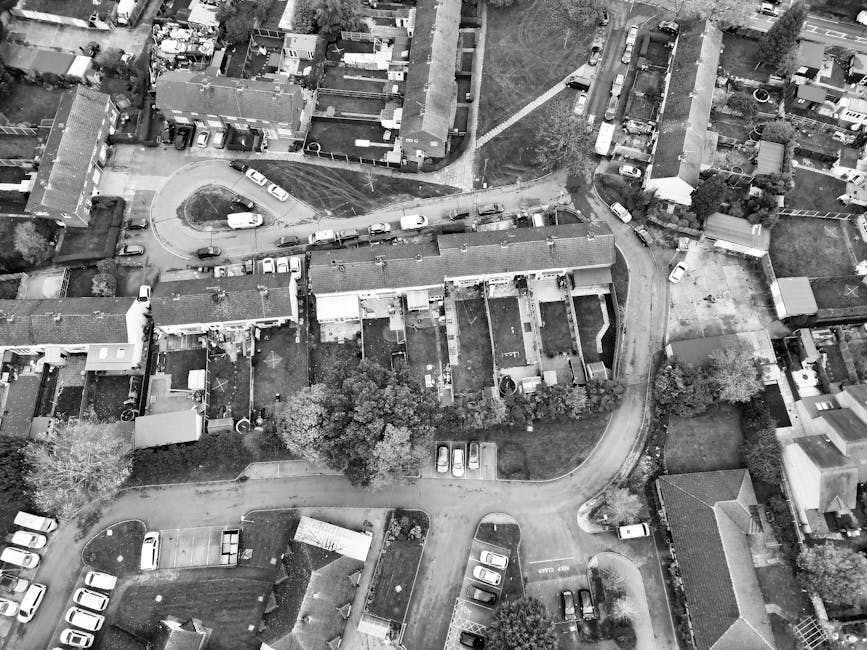
In moving, access is rarely the glamorous part, but it is often the part that decides whether the day goes smoothly or turns into a long, sweaty shuffle. Narrow streets in Upton Park can create a few very ordinary but very real problems: limited stopping space, awkward corners, low-hanging routes, busy school-run traffic, and the familiar London issue of finding that one free spot that is not actually free for long.
When access is poor, everything takes longer. Manual handling becomes trickier, more people may be needed, and the chance of bumping a wall, scratching furniture, or blocking traffic goes up. That is why the right van solution is not just about vehicle size. It is about matching the vehicle to the road, the property, and the job itself.
To be fair, many moves go perfectly well once the access plan is sorted. But without that plan, even a straightforward one-bedroom move can feel like a small military operation. If you want a calmer process overall, it helps to pair access planning with solid preparation. A useful starting point is decluttering before the move so you are not trying to shift items you no longer need.
There is also a local angle here. Streets around Upton Park can vary quite a bit from one road to the next. A route that works fine for a compact van might be awkward for something larger, especially if there are cars parked tightly on both sides. One bad turning decision and, well, you are suddenly doing a three-point turn you did not budget time for.
How access problems on narrow Upton Park streets? Van solutions works
The basic idea is simple: use a van, loading plan, and arrival strategy that reduce the distance between the property and the vehicle. On tight streets, that usually means choosing a vehicle that can manoeuvre more easily, arranging parking with care, and loading in a sequence that matches the layout of the road.
In practice, van solutions for narrow streets often involve one or more of the following:
- Smaller or mid-sized vans that can get closer to the property.
- Shuttle-style loading, where items are moved in stages from door to van.
- Timed arrival windows to avoid heavier traffic and reduce waiting.
- Route planning to avoid awkward turns, tight bends, or temporary congestion.
- Better packing so more can be moved per trip without overloading the van.
A good moving team will look at the full picture, not just the vehicle. For example, a flat on an upper floor with a narrow stairwell may need different handling from a ground-floor property with a difficult parking setup. The right answer is not always "bigger van." Sometimes smaller is smarter.
For bulky furniture, the loading sequence matters too. Beds, wardrobes, and sofas need sensible positioning so they can be moved out safely and then secured properly in the van. If you are dealing with a particularly awkward piece, it is worth understanding the basics of heavy object lifting techniques and how they affect the whole job.
Access problems can also affect timing. A van that is forced to park two streets away does not just add walking distance; it can change the whole rhythm of the move. Suddenly, everyone is carrying boxes further than expected, and the simple jobs start to feel slow. Not ideal, obviously.
Key benefits and practical advantages
Getting the access plan right does more than save time. It makes the move safer, less stressful, and often more cost-effective overall. Here is what tends to improve when the van solution fits the street.
- Shorter carrying distances from front door to vehicle.
- Lower risk of damage to furniture, walls, doors, and parked cars.
- Faster loading and unloading, which helps on time-sensitive jobs.
- Less disruption to neighbours and passing traffic.
- Better control over awkward items like mattresses, wardrobes, or appliances.
- More predictable costs because time is not lost to parking or access delays.
There is a hidden benefit too: confidence. People usually relax once they can see how the move will work. That little moment when the van arrives, the route is clear, and the team knows exactly where everything is going... it changes the whole mood.
If your move also involves storage or a gap between leaving and arriving, the right access plan can help you stage items sensibly. You may find it useful to think ahead with storage options in Upton Park if you need breathing room between properties.
And if your furniture is valuable or awkwardly shaped, moving them with the proper support matters a lot. Sofa corners, bed frames, and sealed appliances are not the sort of things you want to improvise with at the kerbside.
Who this is for and when it makes sense
This approach is especially helpful if you live or work on streets where parking is limited or the road is simply too narrow for an easy van stop. Common situations include:
- flats above shops or in converted houses
- student lets with shared entrances and tight staircases
- small terraced houses with limited front space
- office units on busy side streets
- same-day moves where timing is already tight
It also makes sense when the items are bulky but the property itself is not. A one-bedroom flat can still cause access issues if the street is congested or the building entrance is awkward. That is the funny thing about moving: the size of the home does not always tell you the size of the challenge.
Students moving in and out around the area often benefit from a compact, efficient setup, especially when they do not have much time between term dates. A dedicated student removals service in Upton Park can be a better fit than trying to force a full-size removal into a tight street.
Office and commercial moves also need care. A quiet-looking street can become a problem once delivery vans, staff cars, and loading windows all collide at once. That is where a flexible van solution earns its keep.
Step-by-step guidance
Here is a sensible way to plan a move when access is tight. No drama, no overcomplication, just a clear sequence.
- Assess the street first. Look at turning space, parked vehicles, one-way restrictions, and where a van could realistically stop.
- Measure the bulky items. Sofas, beds, wardrobes, and appliances are the usual troublemakers. Measure them before moving day, not after.
- Choose the right van size. Bigger is not always better. A van that is easier to park may save more time than one with extra empty space.
- Plan the loading order. Put the largest and heaviest items in first, then layer boxes and lighter items around them.
- Prepare the property. Clear hallways, remove loose rugs, protect corners, and make sure doors can open fully where possible.
- Use packing that suits the route. Sturdy boxes, mattress covers, and proper wrapping reduce delays and damage.
- Have a backup plan. If the van cannot park directly outside, decide in advance where it will stop and who will carry what.
It sounds basic, but people skip these steps all the time. Then moving day arrives and everyone is improvising with a lamp in one hand and a door wedge in the other. Not the dream.
For a calmer move overall, it is worth brushing up on how to keep a house move relaxed and pairing that mindset with a practical access plan.
Pack your boxes in a way that supports carrying through narrow gaps. A box that is too heavy or badly sealed becomes a problem very quickly, especially on stairwells or when the van is parked a short distance away.
Expert tips for better results
After enough moves, a few patterns become obvious. Small changes can make tight-access jobs much easier.
- Book for quieter times if possible. Early morning often gives you a cleaner run on busy streets.
- Keep the van load organised so you are not hunting for one item buried under ten others.
- Use protection before you need it - blankets, straps, covers, and corner guards are cheaper than repairs.
- Tell the movers about any awkward access details early, including narrow gates, low steps, or shared entrances.
- Break down furniture in advance if it can be done safely. A dismantled bed frame is usually easier than a heroic carry-through-the-hall situation.
One small, often overlooked tip: keep a "first-out, first-in" box. Put kettle items, chargers, toiletries, and key documents in it. If the van has to park further away than expected, you will be grateful for that little bit of order.
For packing discipline, this is where a good step-by-step packing guide can help you avoid the last-minute pile-up.
And if you have large furniture that needs careful handling, it helps to review how furniture removals in Upton Park are typically approached when access is limited. Different items, different handling. Simple, but easy to forget.

Common mistakes to avoid
Most access problems get worse because of a few avoidable errors. Here are the big ones.
- Choosing a van that is too large for the street and then losing time trying to park it.
- Underestimating carrying distance from van to front door.
- Packing boxes badly, which slows down handling and increases injury risk.
- Ignoring stairwell width or entrance height when measuring furniture.
- Leaving route planning until the day itself, which is where stress starts creeping in.
- Forgetting that street conditions change - bins, neighbours' cars, delivery vans, and school traffic can all alter the plan.
There is also the classic mistake of assuming someone else has sorted parking. Sometimes they have; sometimes they have not. A quick confirmation call or message before moving day can save a surprising amount of hassle. Honestly, it is a five-minute task that can prevent an hour of grumbling.
If your move includes specialist items, do not treat them like standard boxes. A piano, for example, needs a different approach entirely. It is worth reading about professional piano moving if that applies to you.
Tools, resources and recommendations
You do not need a truckload of equipment to handle narrow access well. A focused kit is usually enough.
| Tool or resource | Why it helps | Best used for |
|---|---|---|
| Furniture blankets | Protects surfaces from scrapes and bumps | Sofas, tables, cabinets |
| Ratchet straps | Keeps heavy items stable in transit | Fridges, wardrobes, stacked loads |
| Mattress covers | Stops dirt and scuffs during carry-outs | Beds and mattresses |
| Sturdy moving boxes | Makes carrying safer and more predictable | General household items |
| Floor and door protection | Reduces marks in tight hallways and entrances | Shared buildings and flats |
For moving a bed and mattress properly, a few practical techniques go a long way. If that is part of your move, this guide to moving a bed and mattress safely is a useful companion read.
If your move is time-sensitive, especially on a cramped road, you may also want to look at same-day removals in Upton Park as a practical option. Sometimes speed matters more than perfection, provided the access plan is sound.
And if you are still comparing options, the broader services overview is a sensible place to understand what kinds of moving support are available.
Law, compliance, standards and best practice
Access planning is not just about convenience. In the UK, moving safely on narrow streets usually means working within normal road, parking, and manual handling expectations. You do not need to memorise legal text, but you should treat a move as a job that needs care, judgement, and proper risk awareness.
Good practice usually includes:
- checking whether stopping or loading is realistically possible without causing obstruction
- avoiding unsafe lifting or carrying methods
- using suitable equipment for heavy or awkward items
- protecting property, neighbours' access, and public walkways
- being honest about what can be moved safely in one go
For removals businesses, insurance and safety processes matter too. If you are comparing providers, it is wise to look at whether they explain their approach clearly and whether they have sensible safeguards in place. A good company should be able to talk plainly about insurance and safety rather than hiding behind vague reassurances.
Health and safety is not just paperwork. On a narrow street, one rushed lift or badly judged parking manoeuvre can create avoidable risk. The better approach is usually the calmer one. That might sound obvious, but it is easy to forget when everyone is eager to get finished.
If you want more background on how safe working habits support a smoother move, see health and safety policy details and use them as a benchmark when choosing support.
Options and comparison table
Not every narrow-street move needs the same setup. The best van solution depends on distance, load size, and how tight the road actually is. Here is a simple comparison.
| Option | Best for | Strengths | Limitations |
|---|---|---|---|
| Small van | Very tight streets, light loads, student moves | Easier to park and manoeuvre | Less capacity, may need more trips |
| Mid-size van | Flats, small homes, mixed furniture | Good balance of space and access | Still needs careful parking on narrow roads |
| Large removal van | Larger house moves where the street allows it | More capacity, fewer trips | Can struggle with tight turns or limited kerb space |
| Shuttle loading | Parking is remote or access is blocked | Flexible, practical, often safest in awkward spots | Needs more carrying time and coordination |
Truth be told, the best choice often comes down to the street on the day. A van that works in one part of Upton Park may be a poor fit two roads over. That is why local knowledge is so useful. It is not just about capacity; it is about geometry, timing, and common sense.
If you are moving out of a flat, you may also find flat removals in Upton Park more aligned with your needs than a generalised moving setup.
Case study or real-world example
Picture a typical Friday move on a side street near Upton Park. The property is a first-floor flat. The road is lined with parked cars, and the nearest easy stopping point is not directly outside the building. There is a sofa, a bed frame, a washing machine, and a dozen boxes. Nothing outrageous. Just enough to make the day awkward if nobody plans properly.
In that sort of move, the smart approach is usually to arrive in a van that can stop quickly and safely, unload the largest items first, and keep a clear hand-carry route between the van and the door. The team might split the job into short runs: big furniture first, boxes second, fragile items last. That reduces clutter at the doorway and keeps the path clear.
One detail that makes a surprisingly big difference is sequencing the route inside the home. If the sofa comes out before the boxes have stacked up in the hallway, there is less chance of a bottleneck. Same thing at the van: if items are loaded in the right order, you are not unpacking the whole thing just to reach the kettle box. We have all seen that one, and nobody enjoys it.
For this kind of move, a small or mid-sized vehicle is often better than trying to force a larger van into a street that barely wants one lane, let alone one and a half. Local conditions matter more than theory. If you need to compare van-led moving support, man with a van in Upton Park is often the practical starting point for tight-access jobs.
Practical checklist
Use this before moving day. It is simple, but it catches a lot of problems early.
- Measure the largest furniture items.
- Check stairwells, door widths, and hallway turns.
- Confirm where the van can stop legally and safely.
- Decide whether one van or a shuttle approach makes more sense.
- Pack heavy boxes so they are still manageable.
- Protect floors, door frames, and furniture corners.
- Keep essentials in one clearly labelled box.
- Prepare for weather, because a damp morning in London can make everything slightly more annoying.
- Tell the moving team about any awkward access points in advance.
- Have a fallback plan if parking is blocked.
One small but useful habit: take photos of the street, entrance, and any awkward corners before the move. It helps everyone understand the setup without guessing. Quick, practical, done.
Conclusion
Access problems on narrow Upton Park streets do not have to derail your move. With the right van choice, a realistic parking plan, and a bit of preparation, even a tight street can become manageable. The trick is to think beyond vehicle size and focus on the whole movement chain: road, load, entrance, carrying distance, and timing.
Start early, measure honestly, and build in a little flexibility. That alone solves more problems than most people expect. And if you are feeling overwhelmed, that is normal. Narrow streets can make a straightforward move feel oddly personal, like the road itself is testing you. It is not. It just needs a better plan.
Get a free quote today and see how much you can save.
With the right support, a tight-access move does not have to be a stressful one. Sometimes all it takes is a smarter van solution and a calm, practical approach to get everything where it needs to go.