Small business moves in Upton Park: shop removals
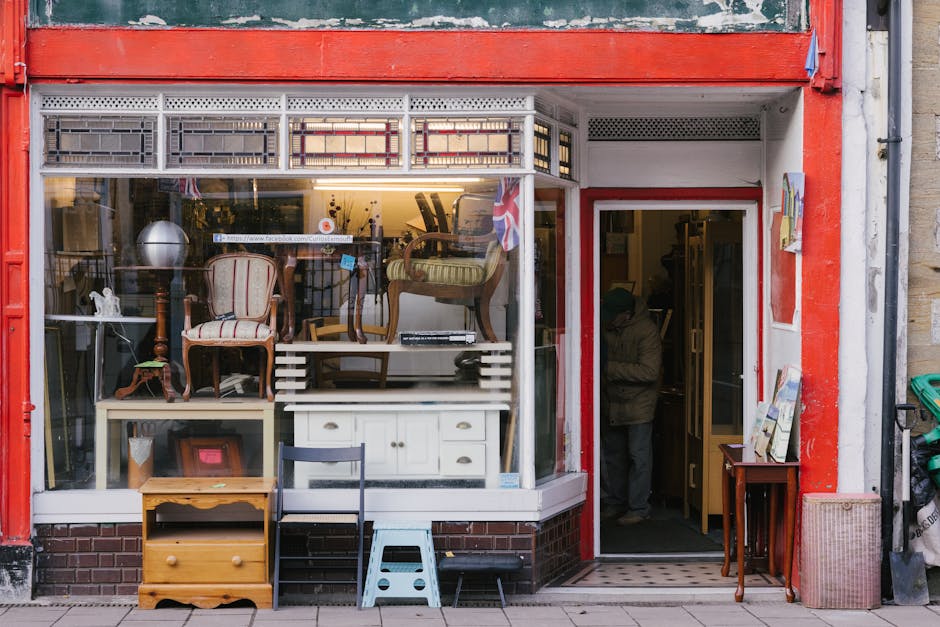
Moving a shop is rarely just a matter of boxes and a van. If you run a small business in Upton Park, the move has to fit around customers, stock, staff, neighbours, loading bays, parking rules, and the general reality of a busy East London street. That is exactly why Small business moves in Upton Park: shop removals need a calmer, more organised approach than a last-minute scramble. Done well, you keep trading disruption low, protect your stock, and reopen without that awkward "we're not quite ready yet" feeling. Done badly? Well, let's just say the first day in the new unit can become a long one.
This guide walks through what shop removals involve, how they work in practice, and what to watch out for in Upton Park specifically. You will also find practical tips, a comparison table, a checklist, and answers to the questions people actually ask before moving a small retail business.
Why Small business moves in Upton Park: shop removals Matters
For a small shop, a move is not just a logistics job. It affects revenue, reputation, staff morale, supplier relationships, and even how your regular customers find you the next morning. In a place like Upton Park, where streets can be tight and timing matters, the difference between a smooth move and a messy one often comes down to planning. That sounds obvious, but in real life the obvious gets skipped far too often.
Shop removals matter because the stakes are immediate. A delayed delivery can leave an empty shelf. A missed loading window can hold up the entire schedule. A poor packing method can damage stock that took weeks to source. And if you are moving equipment, tills, display units, or refrigerated items, there is even less room for improvisation.
There is also the customer side. A small business move can confuse regulars unless you communicate clearly. People notice a handwritten sign, a temporary closure, or an unexplained gap in trading. That is why the move itself is only half the job; the messaging around it matters just as much.
Practical takeaway: The best shop removals are not the fastest ones. They are the ones that preserve stock, reduce downtime, and let you reopen looking organised rather than frazzled.
If your business depends on foot traffic, repeat visits, or a local delivery rhythm, then a well-managed move is worth treating as a business project, not a one-off errand. To be fair, that mindset alone already saves a lot of headaches.
How Small business moves in Upton Park: shop removals Works
A proper shop removal usually follows a simple but disciplined sequence. The exact details change depending on the size of the business, the stock, and whether you are moving to another high street unit, a storage facility, or a unit with very little access. But the flow is similar.
1. Survey the current and new premises
The first step is understanding both ends of the move. Measure entrances, stairways, lifts, corridors, and parking access. Check whether the new shop has the same power layout, shelving footprint, and delivery access. This is where problems often show up early, which is a good thing. A doorway that looks fine on paper can be a nightmare when a display cabinet turns up at 8:00 in the morning.
2. Split stock and equipment into categories
Not everything should be treated the same. Stock, fragile items, promotional materials, POS equipment, lockable cabinets, and furniture each need a different packing method. Some items can go in standard crates; others need bubble wrap, blankets, labels, or a dedicated handling plan. If you sell chilled or high-value items, you may need an even more careful sequence.
3. Plan the move window
For most small retailers, the best move window is the one that reduces business interruption. Sometimes that means moving after closing time, sometimes early in the morning, and sometimes on a quieter trading day. There is no universal answer. Truth be told, the right choice depends on how much downtime your business can absorb without stress.
4. Prepare the packing and loading process
Professional removal crews usually work in stages: protect surfaces, pack the fragile items, dismantle what needs dismantling, and then load in a sequence that makes unloading efficient later. This is especially useful for shop removals because you often want the first items off the van to be the ones needed to reopen quickly.
5. Transport, unload, and set up
Once on the road, the aim is simple: keep the load stable and avoid unnecessary handling. On arrival, the team should place items in sensible zones so your staff are not hunting for tills, keys, signage, or stock bins while customers are already asking for help. A shop move should feel orderly. Not glamorous, but orderly.
For businesses that also need broader support such as commercial moves, the process can be scaled up or pared back to match the size of the operation. Smaller retailers often find a compact service more practical than an oversized all-day operation.
Key Benefits and Practical Advantages
There are obvious benefits to using a structured removal approach for a shop move, but some of the best advantages are the ones people only notice afterwards.
- Less trading disruption: A well-timed move can keep your closure window shorter and more predictable.
- Lower risk of damage: Proper wrapping, lifting, and loading reduce the chance of broken stock or scratched fixtures.
- Faster reopening: When items are labelled and unloaded in the right order, you can get trading again sooner.
- Better stock control: You know what moved, what stayed behind, and what needs checking on arrival.
- Reduced staff stress: People can focus on serving customers rather than wrestling a display unit down a narrow stairwell.
- Cleaner handover: If you are leaving a leased unit, a structured move makes it easier to clear the premises properly.
There is also a less obvious benefit: confidence. When the move feels controlled, the whole team settles a little. You can hear it in the room, honestly. Less frantic noise, fewer "where did that box go?" moments, fewer crossed wires.
For some businesses, a move is also a chance to tighten operations. You may find out which stock displays are no longer useful, which fittings are too bulky, and which bits of equipment should be retired rather than moved. That is not a bad thing. It is a free audit, in a way.
Who This Is For and When It Makes Sense
Shop removals in Upton Park are relevant to a wide mix of small businesses, not just traditional retail stores. You might need this kind of move if you run a convenience shop, barber, salon, boutique, takeaway counter, specialist retailer, market-style unit, or a small mixed-use business with customer-facing stock.
It also makes sense if:
- you are moving to a new local unit and want to minimise closure time
- you are downsizing or upsizing and need to clear or reconfigure fittings
- you have bulky stock or displays that are awkward to move by car
- you need help packing fragile items or equipment safely
- you are combining the move with storage, decluttering, or disposal
Sometimes the question is not "Can we do this ourselves?" but "Should we?" If your team is small and already stretched, self-moving can cost more in lost hours than it saves in money. That is especially true if the new site has access issues, parking pressure, or a short turnaround.
On the other hand, a very small kiosk or single-room shop with light stock may only need a modest van and a couple of careful loaders. The right solution is not the fanciest one. It is the one that fits the business.
Step-by-Step Guidance
If you want a smoother move, follow a process. Not a heroic last-minute sprint. A process.
- Set a move date and working window. Choose a realistic date based on stock levels, supplier deliveries, and footfall patterns. Avoid leaving it until the last possible day if you can help it.
- Walk both premises. Measure access points, check parking, and note any low ceilings, narrow corners, or tight turns. A quick walk-through now can save a lot later.
- Make an inventory. List stock, fixtures, till equipment, signage, and anything fragile or high value. Keep the list simple enough that people will actually use it.
- Separate what moves from what stays. Some items should go straight to the new site, some into storage, and some should be recycled or disposed of.
- Label every box and crate. Use clear labels such as "till area", "front display", "back stock", or "fragile glass". Vague labels are a classic mistake.
- Protect delicate items first. Glass shelves, mirrors, screens, and branded display units need wrapping and careful stacking before anything else is loaded.
- Load in reverse order of need. Put the things you will need first at the front of the unloading sequence so setup is faster.
- Check the new site before unloading. Confirm keys, alarms, power, and access. It is one of those small steps that prevents a surprisingly annoying delay.
- Set up essentials before everything else. Tills, stock checklists, opening signage, and must-have items should be ready before decorative or non-essential pieces.
- Do a final stock count. Before the team leaves, compare what arrived against your inventory. That small half-hour of checking can save a much longer headache later.
If you are using a removal company, ask how they handle fragile stock, dismantling, and room-by-room unloading. A good mover will have a straightforward answer, not a vague shrug.
Expert Tips for Better Results
Here are a few practical ideas that make a genuine difference. Nothing glamorous, just the sort of advice that saves time on the day.
Pack for reopening, not just for transport
This is a big one. People often pack everything by category, which sounds sensible, but does not always help on arrival. Think about what you need to open the door and serve your first customer. Those items should be grouped and clearly marked.
Keep a small "first hour" box
Include tape, scissors, charger cables, pens, a receipt book if you still use one, labels, cleaning cloths, bin bags, and a basic toolkit. There is always a point where someone says, "Has anyone seen the tape?" and the answer is no, obviously not.
Protect the customer-facing side of the move
If your business relies on presentation, make sure signage, display fixtures, and front-of-shop items are not buried under storage stock. The first impression after a move matters. A lot.
Use photos before dismantling
Take pictures of shelving layouts, electrical setups, and merchandising arrangements before anything is taken apart. You do not need professional photography. Just clear phone pictures. They are surprisingly useful when reassembling.
Keep valuables separate
Cash, sensitive documents, keys, cards, and small high-value items should be handled separately and securely. This is one of those common-sense steps that still gets skipped when the day gets busy.
For businesses with heavy furniture or awkward display items, it may also be worth looking at furniture pick-up if some pieces are being removed rather than moved. That can simplify the job more than people expect.
Common Mistakes to Avoid
Most shop move problems are avoidable. The annoying part is that the mistakes are usually simple ones.
- Underestimating access issues: A van may fit in theory but not in practice if the street is busy or the loading point is awkward.
- Packing without labels: Unlabelled boxes turn setup into guesswork.
- Ignoring downtime: Even a short move can interrupt trading more than expected if the schedule is too tight.
- Not checking insurance coverage: You want to know what is covered before anything gets loaded.
- Leaving dismantling until moving day: This often creates avoidable delays.
- Forgetting waste and unwanted items: Old stock, packaging, and broken fittings should be dealt with separately.
- Assuming all movers handle commercial work the same way: Shop removals are not quite the same as a domestic move, even if the van looks the same from the outside.
One of the sneakiest errors is moving too much at once. A shop can feel empty very quickly, and that creates pressure to fit the whole move into a single oversized push. Sometimes that works. Sometimes it becomes messy. A steady, staged move is often safer.
Tools, Resources and Recommendations
You do not need a mountain of equipment to move a small business, but a few practical tools make life much easier.
- Sturdy crates and boxes: Better than weak supermarket boxes for repeated handling.
- Bubble wrap, blankets, and edge protectors: Useful for mirrors, glass, framed items, and display units.
- Labels and marker pens: Keep categories clear and visible.
- Zip bags for screws and fittings: Tiny thing, big benefit. Put the screws with the item they belong to.
- Trolley or sack truck: Helpful for stock and heavier items when the route allows it.
- Inventory sheet: A simple checklist of what is moving and where it should end up.
- Floor protection: Worth considering if the new premises are newly finished or if you are moving in wet weather.
In terms of service choices, many small businesses compare a compact van-based move with a larger full-service commercial removal. If the load is modest and access is manageable, a man with van arrangement can be practical. If the move is more complex, a broader removal services option may be better because it can cover packing help, loading, and more structured handling.
For businesses that need to keep budgets tight, it is also worth checking pricing and quotes before you commit. A clear quote is not just about cost; it helps you understand what is included and what may be extra.
Law, Compliance, Standards, or Best Practice
For shop removals, the main compliance concerns are usually practical rather than dramatic. You are looking at safe lifting, parking rules, building access, and responsible disposal. If your move involves waste, damaged fixtures, or unwanted stock, make sure disposal is handled appropriately and that any contractor used for waste removal is suitable for the job. It is not glamorous, but it matters.
Health and safety is also part of the picture. Small business owners often carry a lot themselves on moving day, which is understandable, but it is not always wise. Heavy lifting, awkward angles, and rushed handling can lead to injury. Good practice means using proper lifting methods, protecting walkways, and avoiding blocked exits.
If you are moving electrical equipment, checking that items are disconnected safely before transport is sensible. If you have refrigerated stock, plan ahead so perishables are handled correctly and not left sitting around while someone hunts for a key. There is no need to make a drama of it, just handle it carefully.
For more detail on the kind of standards and safeguards a reputable mover should follow, see the site's health and safety policy and insurance and safety information. Those pages are useful when you are checking whether a provider takes the basics seriously.
Best practice also includes clear communication with landlords, neighbours, and any building management where relevant. A small move can have a bigger footprint than expected, especially if loading space is shared.
Options, Methods, or Comparison Table
Not every shop move needs the same setup. The right method depends on how much you are moving, how far, and how much help you need.
| Method | Best for | Advantages | Trade-offs |
|---|---|---|---|
| Self-move with staff | Very small shops with light stock | Low direct cost, full control | Higher workload, more risk of delays and damage |
| Van-based local move | Small businesses with moderate stock and furniture | Flexible, efficient, good for short local relocations | May need more packing discipline and planning |
| Full commercial removal service | Retail units with fixtures, fragile stock, or tight timing | More support, faster handling, lower stress | Usually higher cost than self-moving |
There is no "best" method in the abstract. There is only the method that suits your premises, your stock, and your reopening deadline. If you are comparing different removal approaches, it helps to think about the hidden cost of disruption, not just the invoice. That is where people often get it wrong.
For a simple, local move, the compact option can be enough. For a shop with fragile displays, awkward access, or a tight launch date, a more complete service is usually the calmer choice.
Case Study or Real-World Example
Imagine a small independent retailer on a busy Upton Park side street moving to a slightly larger unit a short distance away. The business sells mixed household goods, display pieces, and a few fragile items. Nothing huge, but enough to make a casual move a bad idea.
The owner starts by separating the stock into three groups: items for immediate sale, items for storage, and items to remove. The new premises are checked in advance, including the doorway width, the front step, and where the van can stop without blocking access for too long. That part matters more than people think. A van parked badly can turn a short move into a tense one very quickly.
On moving day, the team packs the fragile shelves first, takes photos of the display layout, and keeps a "first hour" box aside. When they arrive, the essential items come off the van first: till equipment, opening signs, cleaning supplies, and a small amount of stock for immediate display. By lunchtime, the shop is not fully finished, but it is open enough to trade. That is the key point.
The owner still has boxes to sort later in the day, of course. Moving day is never perfect. But the business stays live, the customers are reassured, and the re-opened space looks organised rather than chaotic. That is what good small business moves look like in practice. Quiet competence. Nothing theatrical.
Practical Checklist
Use this checklist before your shop removal. If you want fewer surprises, this is a good place to start.
- Confirm the move date and time window
- Check access at both premises
- Measure doors, stairs, lifts, and loading points
- Create a stock and equipment inventory
- Label boxes clearly by area or function
- Set aside fragile items for special handling
- Pack an essentials box for the first hour
- Decide what is moving, storing, or being disposed of
- Check parking and loading arrangements
- Make sure keys, alarms, and utilities are ready at the new site
- Back up important records before moving day
- Review insurance and safety arrangements
- Tell suppliers, staff, and customers about the change
- Do a final stock count before the vehicle leaves
If you are clearing out old furniture or replacing worn display units, planning the removal alongside the move can save time. That is often the moment when businesses also think about whether a few items should be repaired, recycled, or not moved at all. Sensible, really.
Conclusion
Small business moves in Upton Park: shop removals are at their best when they are planned around real trading pressures, not just transport logistics. You need the right timing, the right packing method, the right access plan, and enough flexibility to handle the surprises that almost always appear. A good move protects stock, keeps staff calm, and helps you reopen with confidence.
The strongest approach is usually the simplest one: prepare early, label carefully, move in the right order, and treat the new shop as a working business space from the moment the first box arrives. That mindset saves a lot of stress. And usually a bit of money too.
If your move is coming up soon, take the first step now: map the route, list the items, and decide what needs professional help. The less you leave to chance, the smoother the day will feel.
Get a free quote today and see how much you can save.
And if the whole thing still feels a bit much, that is normal. A shop move can be a lot. But with the right plan, it is absolutely manageable.
Frequently Asked Questions
How far in advance should I plan a small shop move in Upton Park?
Ideally, give yourself several weeks if you can. That leaves time to measure access, organise packing, notify customers, and deal with any awkward items before moving day. If the move is urgent, the schedule can be compressed, but the margin for error gets smaller.
Can a small business move be done outside trading hours?
Yes, and many are. Evening or early morning moves can reduce customer disruption, especially for shops that rely on footfall. The key is making sure building access, parking, and staff availability all line up properly.
What is usually included in a shop removal?
That depends on the provider, but it may include loading, transport, unloading, and sometimes packing or dismantling help. Always check what is included before booking so you are not surprised on the day.
Do I need special packing for display fixtures and glass?
Yes, fragile items should be wrapped and secured carefully. Glass shelves, mirrors, and branded display pieces are especially vulnerable to chips and cracks if they are stacked or moved loosely.
How do I keep downtime to a minimum?
Plan the move around your opening hours, pack in a clear order, and unload essentials first. If the new shop is not ready for a full setup, focus on opening basics before cosmetic details.
Is it better to hire a van or use a full removal service?
If the move is small and simple, a van-based service may be enough. If you have more stock, awkward furniture, fragile items, or a tight deadline, a fuller removal service usually reduces stress and risk.
What should I do with items I do not want to move?
Sort them out before moving day. Some items can be recycled, some may be suitable for removal, and some may need separate disposal. Leaving this until the last minute tends to create clutter and confusion.
How can I prepare my staff for the move?
Give them clear roles, simple labels, and a timeline. People work better when they know what is expected. Even a short briefing the day before can make the move feel much more manageable.
Should I back up business records before moving?
Yes. Any important digital or paper records should be copied or secured before the move starts. It is a small step, but one that can prevent a very unhelpful panic later.
What if the new premises have difficult access?
Then the access plan becomes a priority. Narrow doors, stairs, parking restrictions, and loading limitations should all be checked early. In some cases, a smaller vehicle or staged unloading is the easier option.
How do I know if a mover is suitable for commercial work?
Ask about shop removals, insurance, loading methods, and how they handle fragile or bulky items. A provider who regularly deals with business moves should be able to explain their process clearly and without fuss.
Can I combine the move with storage or furniture removal?
Yes, and sometimes that is the smartest route. If you are not taking everything to the new unit, combining the move with storage or unwanted furniture removal can reduce clutter and shorten setup time.